VR Safety Training for Construction

Your crews pass every test.
Can they perform when the site is live?

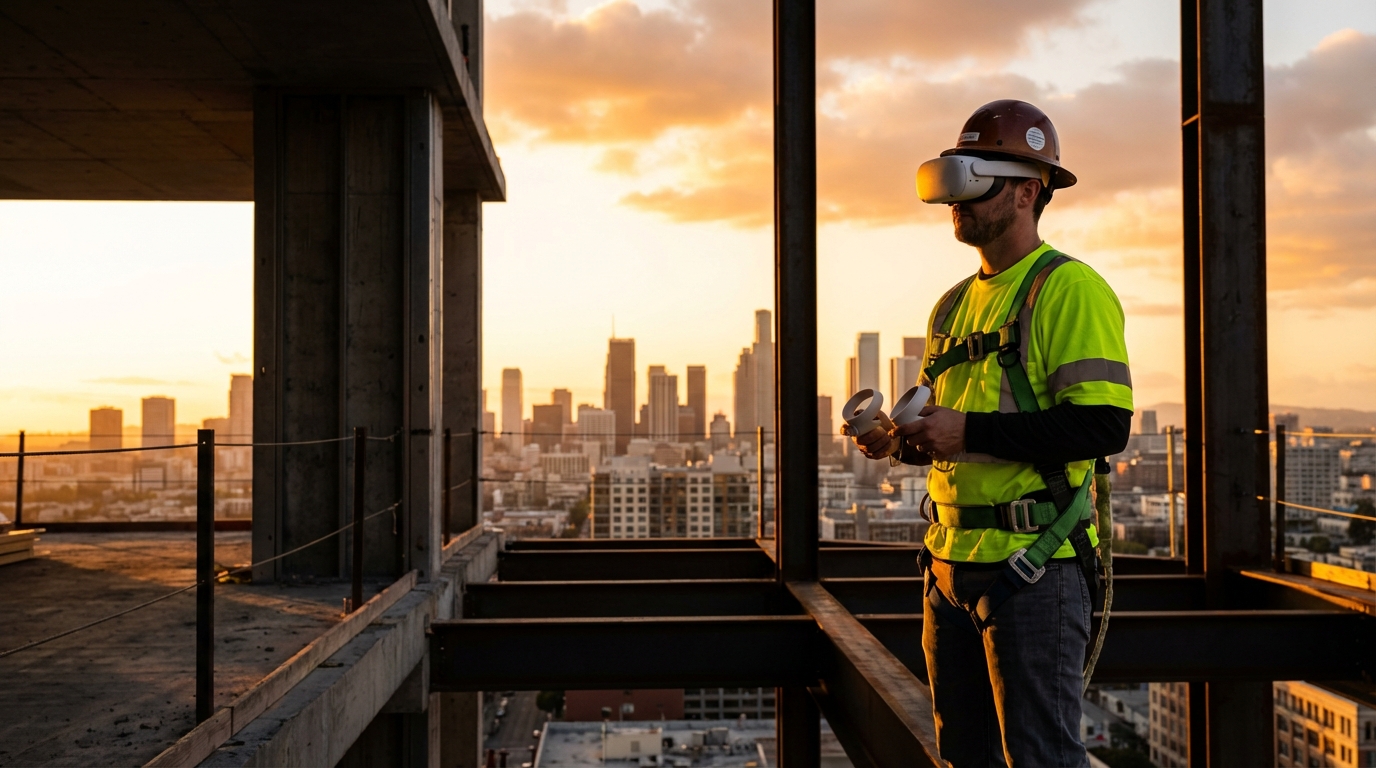
97% orientation completion rates. Injuries still happen. Because completion is not capability. Our VR training platform measures what crews can actually do under realistic site conditions.

Request a Demo →
The Construction Safety Challenge

Compliance training creates
a false sense of safety.

Despite record investment in safety programs, construction continues to face preventable injuries driven by human capability gaps.

2.7
Injury Rate per 100 Workers
$42K
Verified Under Real Conditions
94%
Safety Training Completion Rate
0%
Verified Under Real Conditions
97% attendance. 0% verified under real conditions. That gap is where falls, struck-bys, and electrocutions live — the OSHA Fatal Four.
The Capability Gap

A worker passes every safety test.
Now ask yourself what you actually know.

On a congested site with three trades working overhead, can they spot that the guardrail was removed by the crew that just left — before someone walks the edge?
ARK measures this
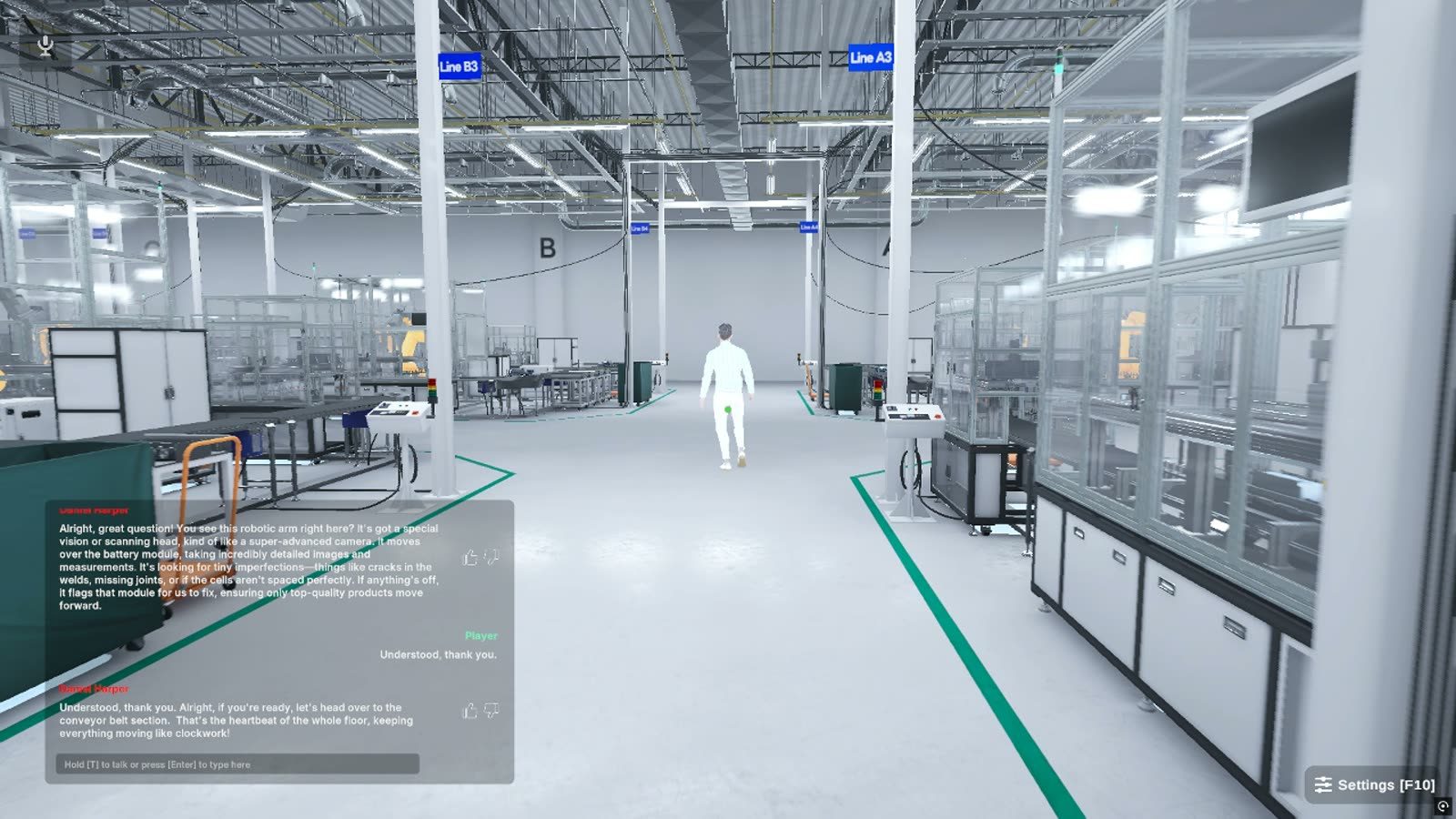
When the hydraulic press starts cycling erratically at 2 AM with a skeleton crew — can they communicate the shutdown clearly enough for everyone to act?
ARK predicts this
When the concrete pour is scheduled, the crane is booked, and the weather just turned — will your super will they pull the trigger, or convince themselves it's fine?
ARK reveals this
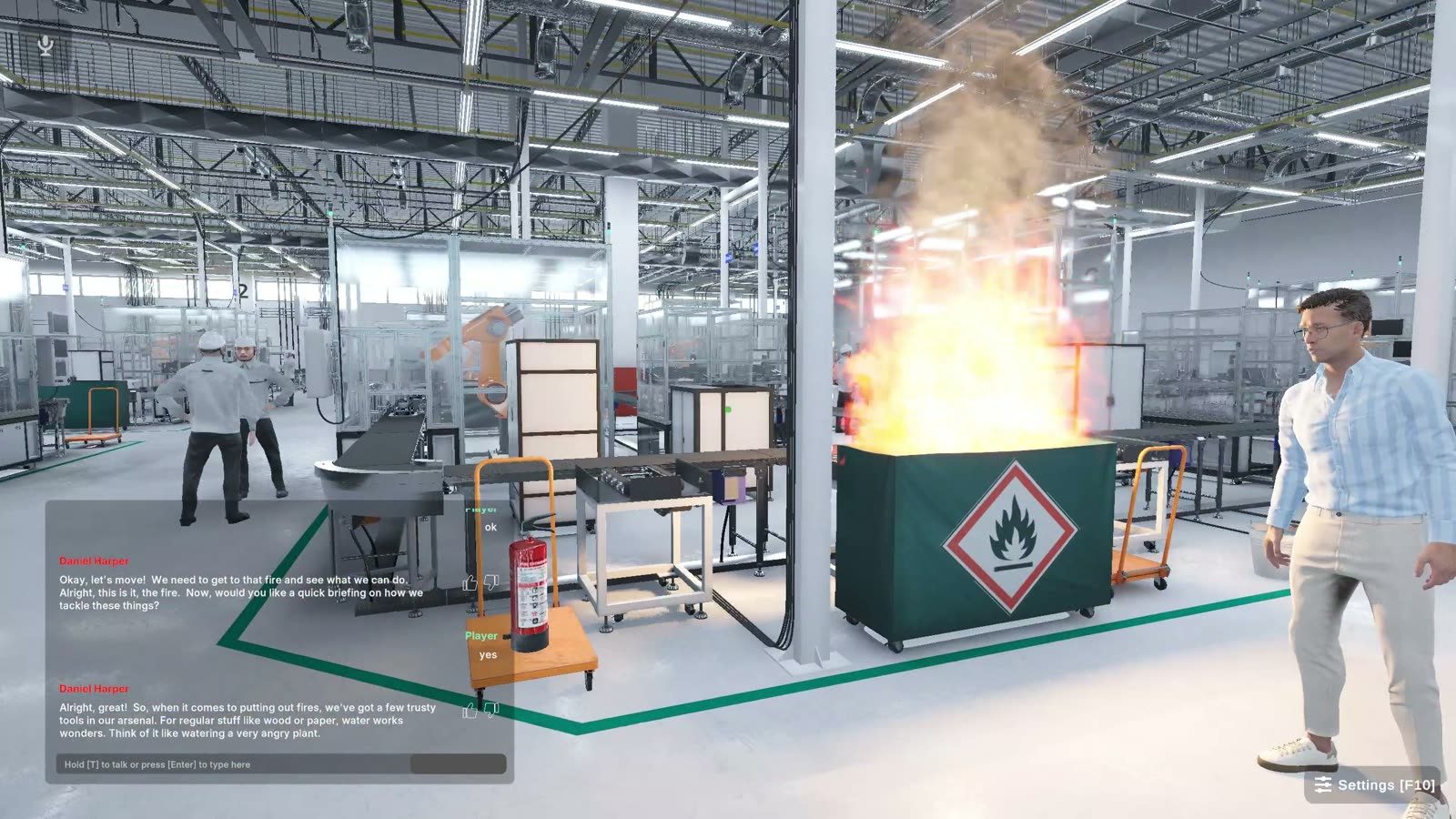
After a near-miss with a forklift in the loading area — do they slow down and tighten up, or rush through the rest of the shift trying to make up lost time?
ARK tracks this
These aren't orientation quiz questions. They're the calls that separate a near-miss from an OSHA recordable. And right now, you're relying on toolbox talks to prepare your crews for them.
What ARK Measures for Construction

Four capabilities.

CAP-1
Hazard Awareness
Can they see the missing guardrail, the unsecured load, and the unmarked trench — all while managing their own task? Measures hazard detection across the OSHA Fatal Four in realistic site conditions.

Measures: Fall hazard recognition, struck-by awareness, caught-in/between detection, hazard detection speed

CAP-2
Safety Communication
When they spot a hazard created by another trade, do they report it immediately — or assume it's not their problem? Measures cross-trade communication and hazard reporting speed.

Measures: Cross-trade hazard reporting, communication clarity, team coordination across crews

CAP-3
Go/No-Go Decisions
Will they exercise stop-work authority when conditions change — even when the schedule says push through? Measures decision quality when safety and schedule collide.

Measures: Stop-work decision accuracy under schedule pressure, response timing, risk judgment

CAP-4
Crew Recovery
After a near-miss or incident, does the crew recover focus — or does the stress carry into the next lift, the next pour, the next shift? Measures how fast crews stabilize.

Measures: Crew stabilization speed, stress carry-over prevention, post-incident focus recovery

Real performance data from realistic VR site scenarios — turned into a complete crew readiness profile.complete crew readiness profile.
ARK Platform Preview

From the site super to the safety director —
everyone gets the data they need.

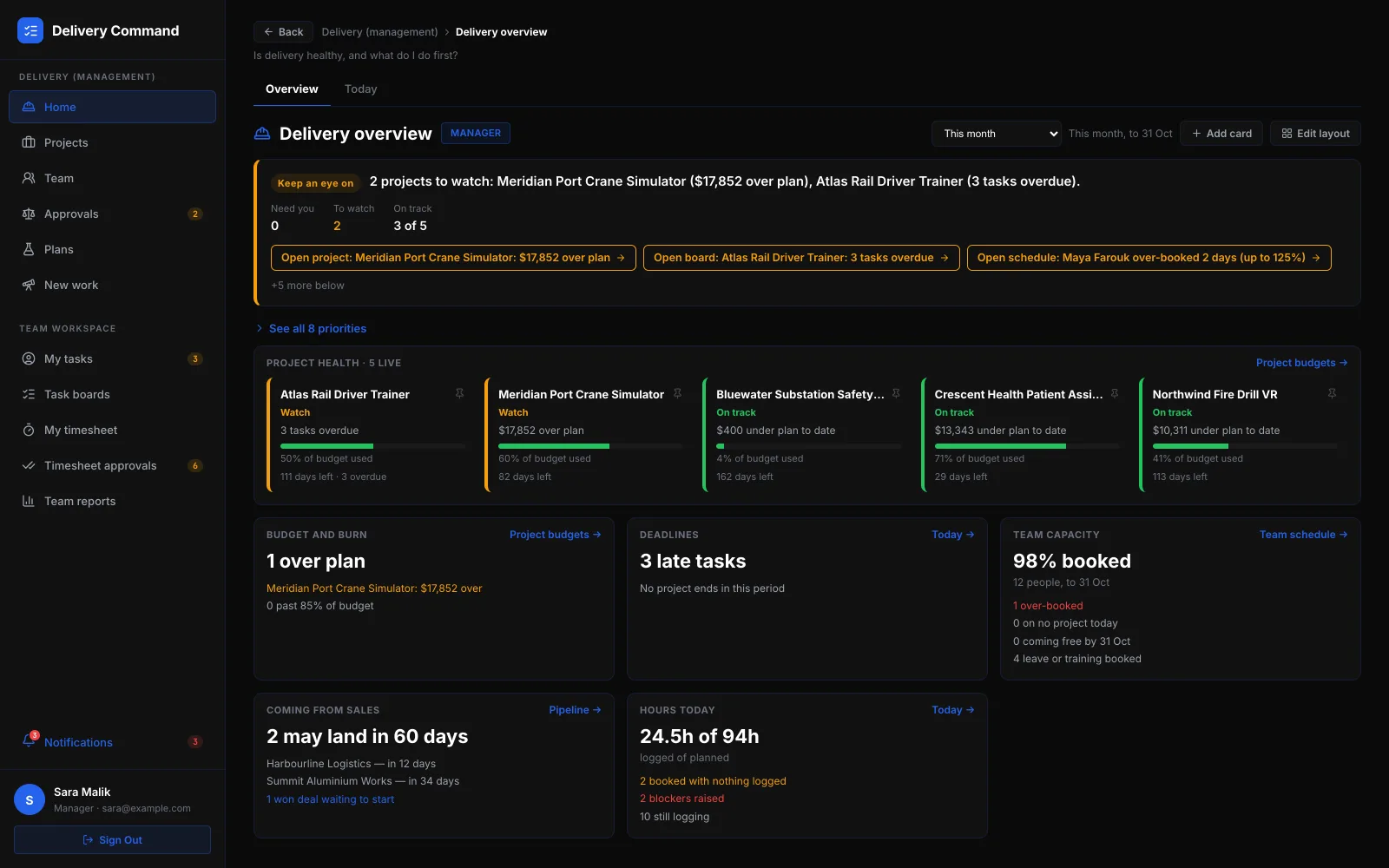
Crew Safety Capability Matrix
Plant Manager View
CAP-1
CAP-2
CAP-3
CAP-4
Line A Team
85
78
81
72
Line B Team
63
48
59
41
Night Shift
77
88
74
82
Safety Alert
Line B Team is below threshold across all capabilities. Communication (48) and Recovery (41) are critical. Recommend stand-down and targeted drills.
AI Safety Intelligence Engine

Feed ARK a training session.
Watch it find what no site walkthrough can.

ARK Intelligence Engine
[INIT] Loading session: Rashid Khalil | Elevated Work Scenario
[SCAN] Hazard Awareness: 76/100 — Caught missing guardrail at T+0:28. Missed unsecured material stack near edge.
[SCAN] Safety Comms: 82/100 — Radioed crew about changed conditions. Didn't confirm the other trade received the message.
[ALERT] Go/No-Go: 62/100 — CRITICAL. Proceeded with work despite recognizing the hazard.
[SCAN] Recovery: 55/100
[INSIGHT] When schedule pressure hit, Rashid's safety instinct took a back seat. Rashid saw the hazard. He recognized the risk. But schedule pressure overrode his safety instinct — he chose to continue because stopping meant losing a half-day. After the near-miss, he slowed down but never fully reset. This is the pattern behind most Fatal Four incidents: they see it, they know it, and they keep going.
[NEXT STEPS] Stop-work authority reinforcement + 3 pressure-decision drills. Pair with a supervisor for the next elevated work assignment. Expected improvement: +31 points in Go/No-Go decision quality.
Traditional vs. VR Capability Measurement

Same worker. Two approaches.
Only one reveals the truth.

Traditional Safety Training
Pass
Safety Quiz: 91%
OSHA 10: Complete
Fall Protection Checklist: Done

"Meets requirements."
VR Simulation + ARK Measurement
ARK Profile
Hazard Awareness
79
Communication
85
Go/No-Go
62
Recovery
47
Risk: Schedule-pressure override pattern — recognizes hazards but won't stop work when it costs time.
Why Construction Leaders Choose Genesis

Built for high-stakes.
Proven on the jobsite.

10+ Years
Building immersive training for enterprise and government, including industrial and safety-critical environments.
On-Premises
Fully air-gapped deployment with AES-256 encryption. Your data never leaves your facility.
40+ Clients
Trusted by enterprises across MENA. We understand the regulatory and operational realities of construction.
Return on Investment

The numbers behind
safety capability intelligence.

2,400
Assessment Hours Saved / Year
+28%
Capability Improvement
62%
Reduction in Blind Spots
$840K
Estimated Annual Risk Avoidance
Frequently Asked Questions

VR Safety Training
for Construction. Answered.

How does VR training reduce construction injuries?

VR training builds measurable safety capabilities through realistic simulations of fall protection, excavation safety, and crane operations. ARK identifies exactly where each crew member needs improvement before they return to the site.

What is the ARK framework?

ARK evaluates four dimensions: Hazard Awareness, Safety Communication, Go/No-Go Decisions, and Crew Recovery. Unlike pass/fail testing, ARK reveals each crew member's specific capability profile.

Can this integrate with our existing safety programs?

Yes. VR capability measurement layers on top of existing safety training. It doesn't replace your programs — it reveals what they can't measure.

Can this be deployed on-premises?

Yes. Fully on-premises, air-gapped deployment with AES-256 encryption and zero cloud dependency.

Getting Started

From first conversation to
continuous safety intelligence.

Phase 1 4-6 Weeks
Assessment & Configuration

Map your construction safety scenarios into the ARK framework. Configure VR simulations to match your site conditions and procedures.

Phase 2 6-8 Weeks
Deployment & Calibration

Deploy VR hardware and ARK platform. Run initial crew cohorts. First capability data within 2 weeks.

Phase 3 Ongoing
Continuous Safety Intelligence

Regular assessments. Automated risk identification. From compliance to a living safety intelligence system.

Stop training for compliance.
Start measuring for capability.

Your crews pass every test. The question is whether they perform safely when the site is live, schedule pressure mounts, and there is no second chance.

Also see:Oil & GasHealthcareConstructionDefense & Security