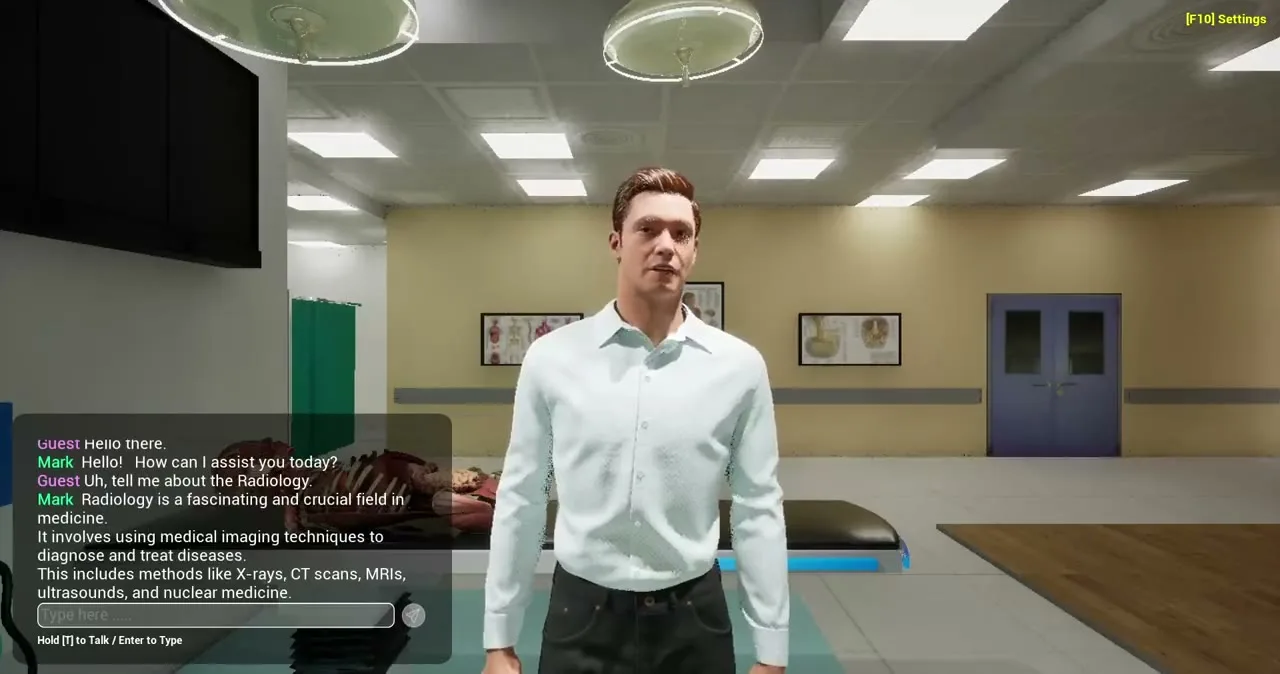
VR Clinical Training for Healthcare

What if you could measure
crisis readiness before the crisis?

Your clinical staff pass every competency check. But sentinel events persist and response times vary wildly under pressure. Because completion is not capability.

Request a Demo →
The Healthcare Safety Challenge

Patient safety depends on capabilities
no checklist can measure.

3rd
Leading Cause of Death (Medical Errors)
$46K
Avg. Nurse Turnover Cost
95%
Competency Completion Rate
0%
Verified Under Real Conditions
95% completion. 0% verified under pressure. That gap is where patient safety events live. CAPS measures what clinicians can actually do under pressure.actually do under pressure.
The Capability Gap

A nurse passes every competency check.
Now ask yourself what you actually know.

Can they recognize early deterioration signs in a busy ward with multiple patients?
CAPS measures this
During a code, will they communicate via SBAR clearly under stress?
CAPS predicts this
Under time pressure, will they triage correctly? Or follow gut instinct?
CAPS reveals this
After a medication error, do they recover and escalate? Or freeze?
CAPS tracks this
What ARK Measures for Healthcare

Four capabilities.
The dimensions that determine clinical readiness.

CAP-1
Clinical Situation Awareness
"Can they see deterioration before it's critical?"

Measures: Early warning sign detection, vital trend recognition, multi-patient awareness

CAP-2
SBAR Communication
"Can they relay clinical information clearly under stress?"

Measures: Handoff accuracy, SBAR protocol adherence, team coordination during codes

CAP-3
Triage Decision Quality
"Right patient, right priority, ticking clock?"

Measures: Triage accuracy under load, resource allocation, escalation timing

CAP-4
Recovery After Adverse Events
"After an error, do they recover or cascade?"

Measures: Post-error performance, cognitive recovery speed, second-victim resilience

ARK Platform Preview

Every level of leadership gets
exactly what they need.

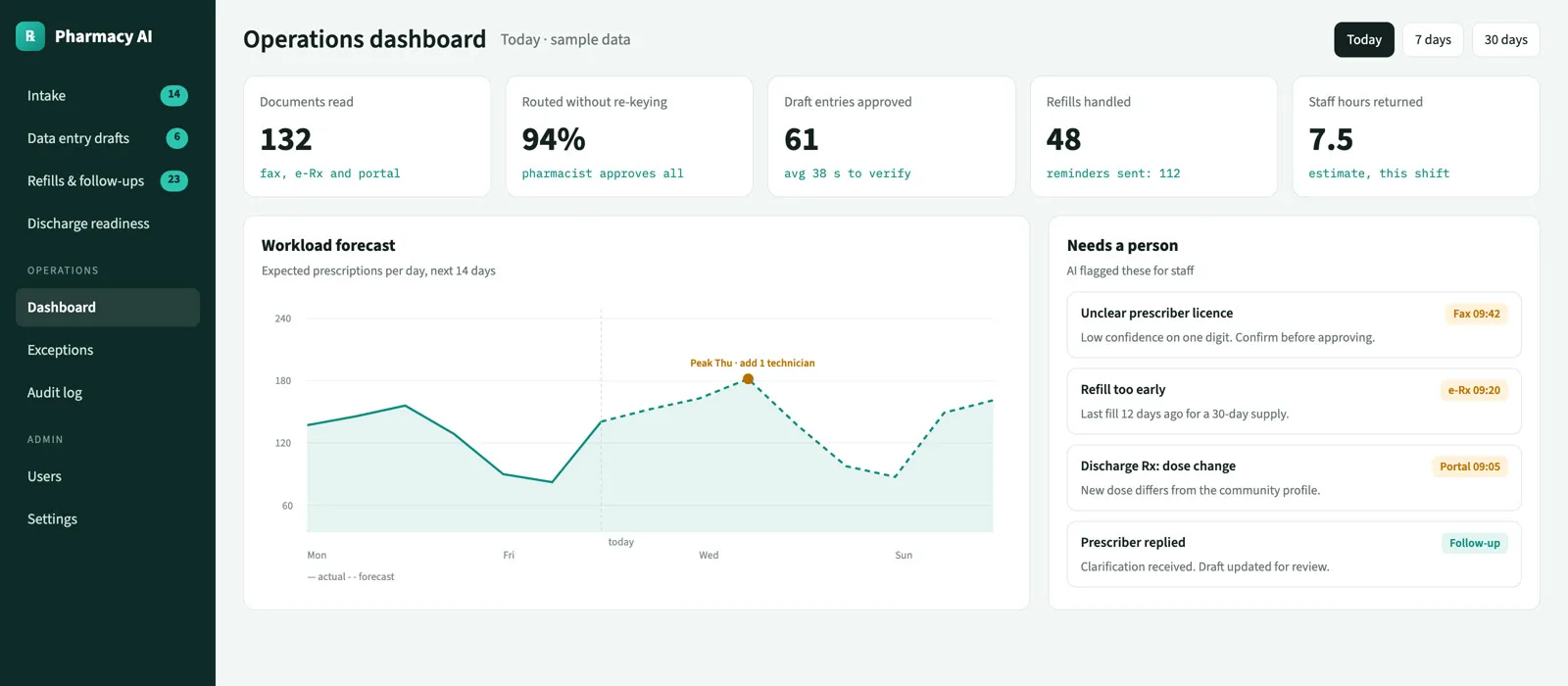
Clinical Team Capability Matrix
CNO Dashboard
CAP-1
CAP-2
CAP-3
CAP-4
ICU Team
89
82
85
76
ED Team
74
51
68
43
Med-Surg
81
79
77
84
Clinical Alert
ED Team has critical SBAR Communication (51) and Recovery (43) gaps. High risk for handoff errors and post-adverse-event cascading.
AI Clinical Intelligence Engine

Feed it a training session.
Watch it find what humans can't see.

ARK CAPS Intelligence Engine
[INIT] Loading session: Nurse Chen | Patient Deterioration Scenario
[SCAN] Clinical Awareness: 84/100 — Detected vitals change at T+0:18
[SCAN] SBAR Communication: 58/100 — Incomplete briefing to physician
[SCAN] Triage Decision: 81/100 — Correct escalation pathway
[ALERT] Recovery: 39/100 — CRITICAL
[INSIGHT] After the medication near-miss, Nurse Chen's performance dropped 41%. Second-victim effect detected — her confidence collapsed, making subsequent decisions slower and less accurate.
[NEXT STEPS] Targeted SBAR communication drills + resilience training before ICU rotation. Expected improvement: +24 points in Recovery.
Traditional vs. VR Capability Measurement

Same nurse. Two approaches.
Only one reveals the truth.

Traditional Competency
Pass
Skills Checklist: 94%
BLS/ACLS: Current
Competency Day: Passed

"Meets clinical requirements."
VR Simulation + CAPS
CAPS Profile
Awareness
84
SBAR
58
Triage
81
Recovery
39
Risk found: Performance drops 41% after any error. Needs supervised support before solo critical care assignments.
Why Healthcare Leaders Choose Genesis

Built for clinical environments.
HIPAA-compatible by design.

HIPAA Ready
On-premises deployment with AES-256 encryption. Zero PHI in the cloud. Zero cloud dependency.
10+ Years
Building immersive training for enterprise, government, and healthcare environments.
MENA Native
Cairo HQ with Dubai operations. We understand healthcare regulatory realities across the region.
Return on Investment

The numbers behind
clinical capability intelligence.

1,800
Assessment Hours Saved / Year
+31%
Clinical Capability Improvement
58%
Reduction in Capability Blind Spots
$920K
Estimated Annual Risk Avoidance
Frequently Asked Questions

VR Clinical Training
for Healthcare. Answered.

How does VR training improve patient safety?

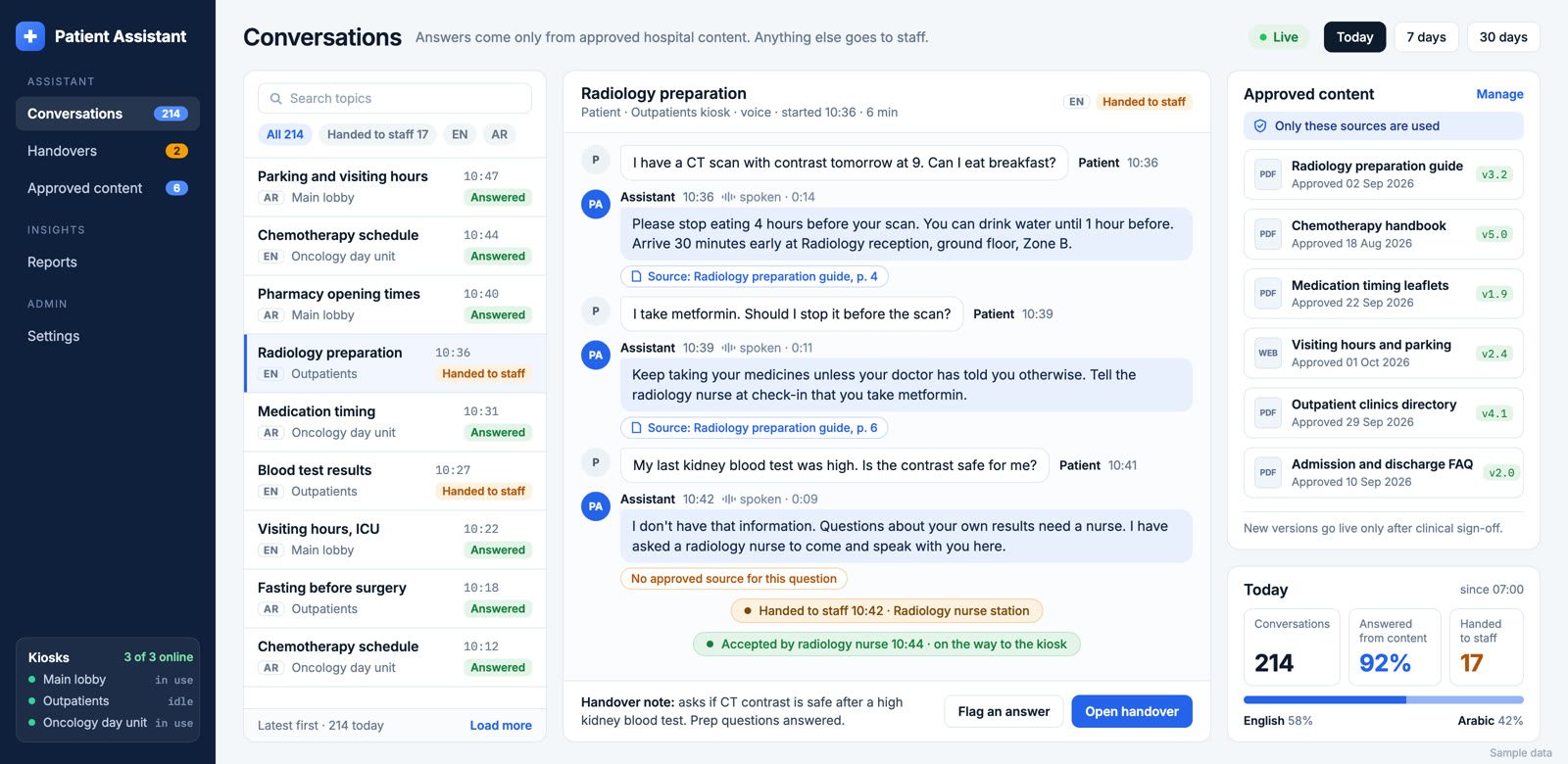
VR training builds measurable clinical capabilities through realistic simulations. CAPS identifies exactly where each clinician needs improvement before they care for patients.

Is this HIPAA compatible?

Yes. Fully on-premises deployment with AES-256 encryption and zero cloud dependency. No PHI ever leaves your facility.

What clinical scenarios are available?

Patient deterioration, code responses, medication administration, sterile compounding, triage under load, and custom scenarios mapped to your specific clinical environment.

Can this integrate with our existing competency programs?

Yes. VR capability measurement layers on top of existing programs. It doesn't replace them — it reveals what they can't measure.

Getting Started

From first conversation to
continuous clinical intelligence.

Phase 1 4-6 Weeks
Assessment & Configuration

Map clinical scenarios into CAPS framework. Configure VR simulations for your unit types and acuity levels.

Phase 2 6-8 Weeks
Deployment & Calibration

Deploy VR hardware and ARK platform. Run initial clinician cohorts. First capability data within 2 weeks.

Phase 3 Ongoing
Continuous Clinical Intelligence

Regular assessments. Automated risk identification. From competency checklists to a living clinical intelligence system.

Stop assessing for competency.
Start measuring for capability.

Your clinicians pass every check. The question is whether they perform when a patient crashes, the pressure mounts, and there is no second chance.

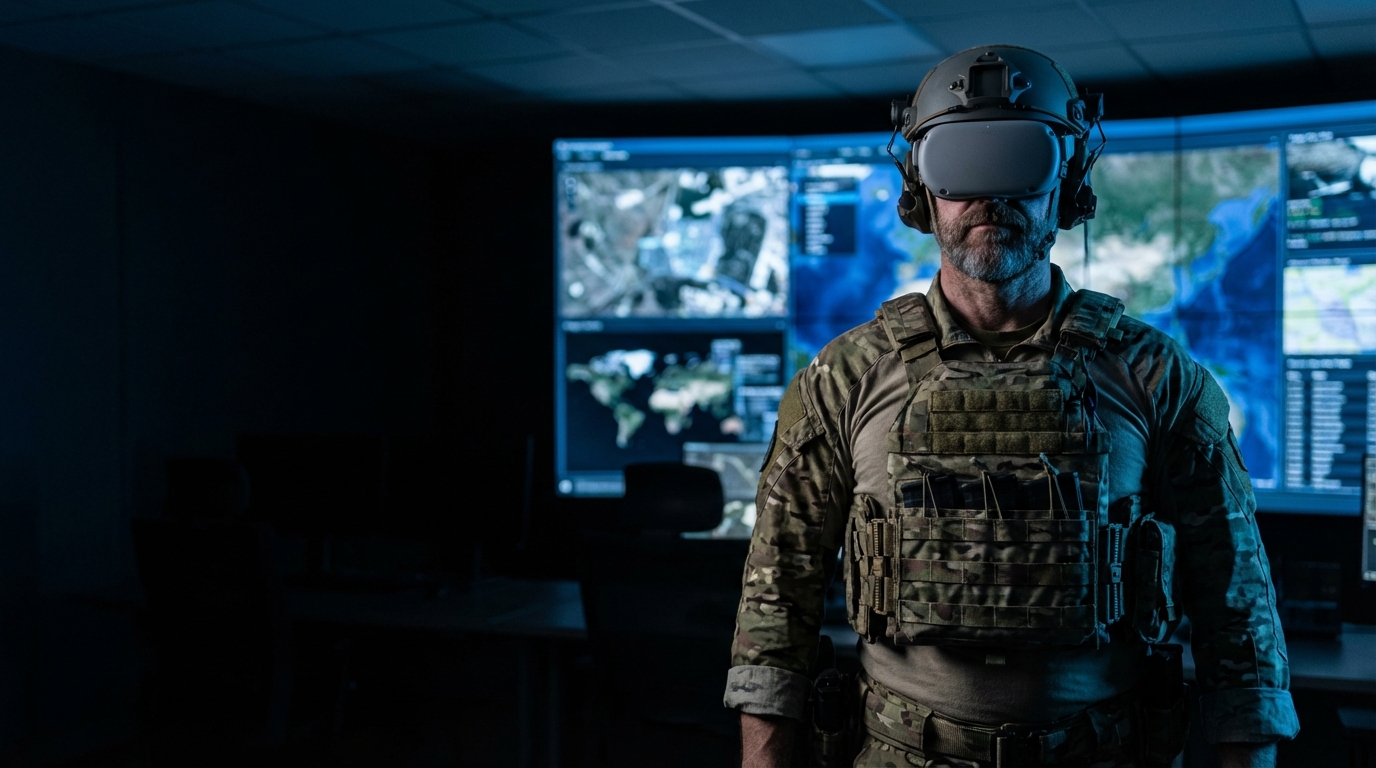
Also see:Oil & GasManufacturingConstructionDefense & Security