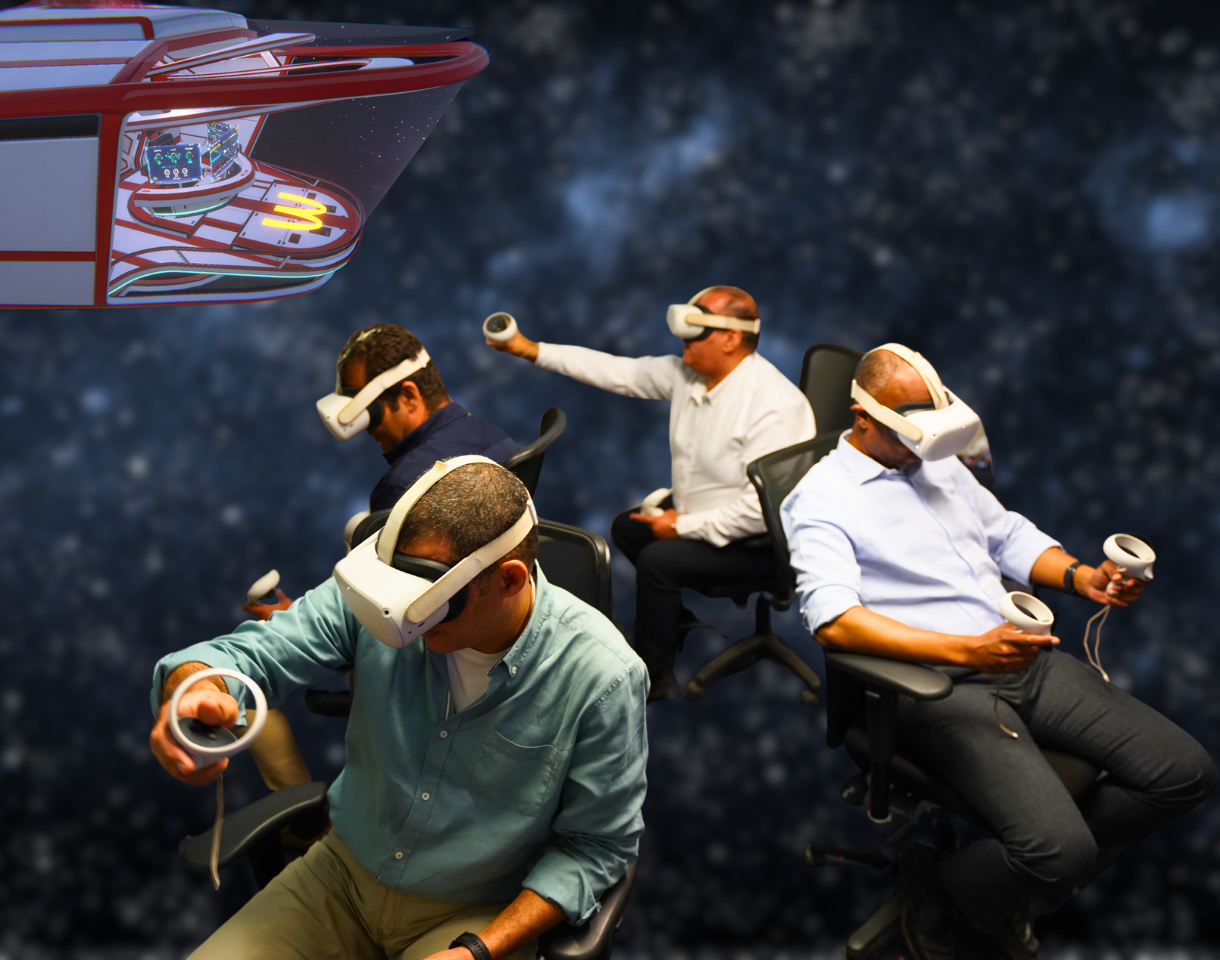
Case Study: VR Warehouse Safety Training
Learn essential warehouse safety protocols through immersive VR for hands-on experience and practical knowledge.
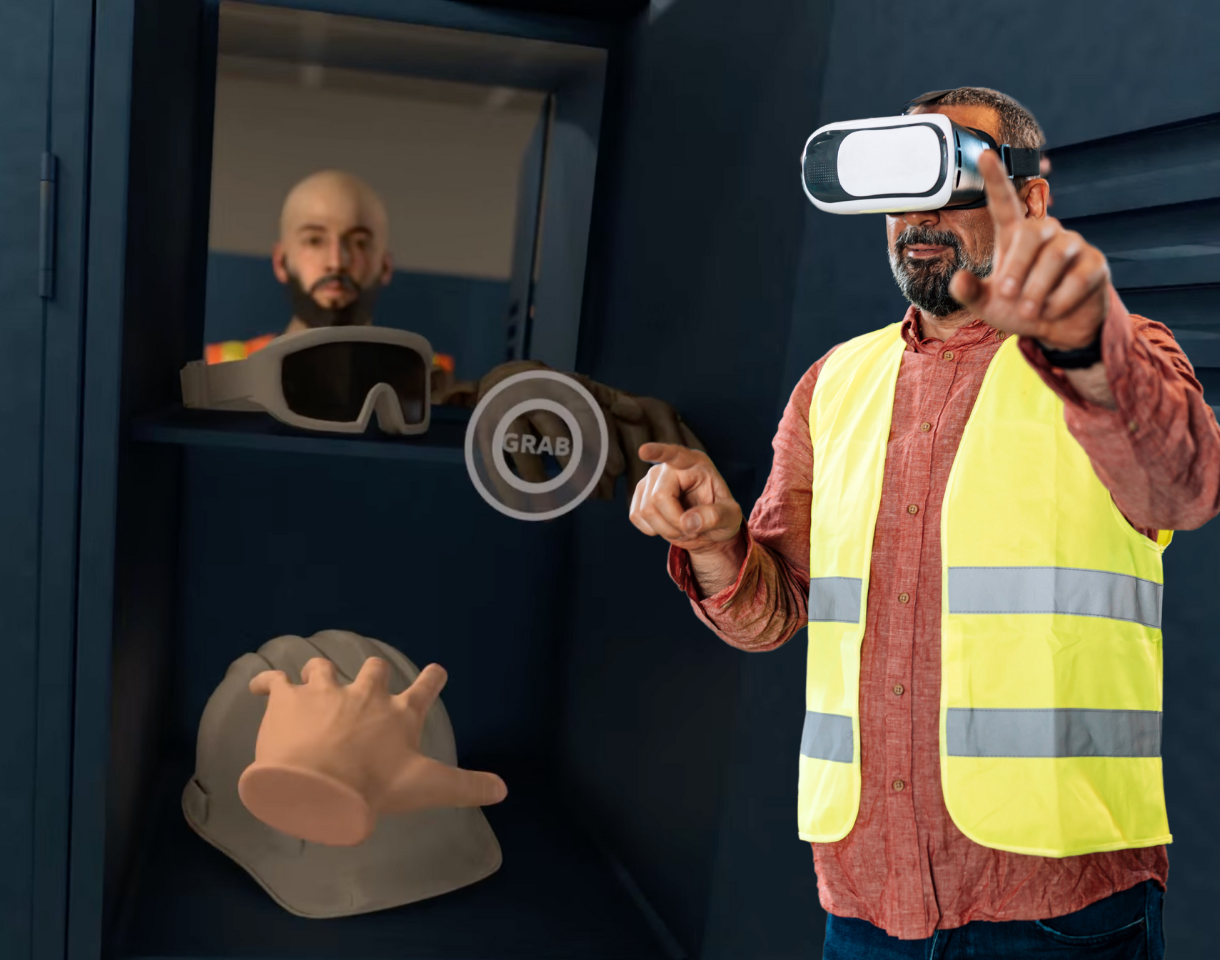
VR Warehouse Safety Training
1. Course Overview
Warehouses are high-risk environments where accidents, miscommunication, and improper safety procedures can lead to severe injuries or operational disruptions. The VR Warehouse Safety Training provides a realistic, hands-on learning experience where workers can practice safety protocols, hazard identification, and proper equipment handling in a risk-free environment.
With interactive scenarios and a gamified scoring system, trainees receive real-time feedback on their decision-making, movement, and compliance with safety procedures, ensuring they are well-prepared for real-world warehouse operations.
2. Learning Objectives
By the end of this course, users will be able to:
✅ Identify and wear the correct Personal Protective Equipment (PPE) before entering the warehouse.
✅ Navigate the warehouse safely, avoiding forklifts, machinery, and restricted areas.
✅ Respond effectively to fire hazards and emergency evacuation procedures.
✅ Execute proper manual handling and lifting techniques to prevent injuries.
✅ Perform vehicle safety inspections for forklifts, reach trucks, and pallet jacks.
✅ Report hazards and safety violations using virtual tablet-based reporting.
✅ Choose the correct Powered Industrial Truck (PIT) based on specific job scenarios.
✅ Inspect pallets and stacking for safety compliance.
3. Who Can Use It?
This course is ideal for:
- Warehouse & Logistics Operators – To ensure safe handling of goods and equipment.
- Forklift & PIT Operators – To practice safety checklists, maneuvering techniques, and hazard avoidance.
- Warehouse Supervisors & Managers – To train teams on proper safety protocols and enforce compliance.
- Safety Officers & Inspectors – To standardize warehouse safety assessments and compliance training.
- Manufacturing & Distribution Centers – To enhance workplace safety and reduce accident risks.
4. How It Works
1️⃣ Enter the VR Warehouse – Select a realistic, interactive warehouse environment.
2️⃣ Wear Correct PPE – Identify and wear helmets, gloves, safety vests, and boots.
3️⃣ Navigate the Warehouse Safely – Avoid hazards, use designated walkways, and follow workplace safety rules.
4️⃣ Perform Safety Checks & Procedures – Inspect forklifts, check for obstructions, and identify safety risks.
5️⃣ Complete Safety Challenges – Respond to emergencies, report hazards, and complete safety simulations.
6️⃣ Receive Performance Feedback – Get a detailed breakdown of strengths, mistakes, and improvement areas.
5. Problems It Solves
🚧 High Risk of Workplace Accidents – Reduces accidents by reinforcing correct safety practices.
💰 Costly Onboarding & Training – Saves money on physical training sessions and damage control.
📉 Low Engagement in Traditional Training – Increases retention with interactive, immersive learning.
⚠️ Lack of Hands-On Experience – Allows employees to practice real-world safety scenarios before stepping into the warehouse.
📋 Inconsistent Safety Compliance – Ensures standardized training across all employees with measurable performance tracking.
Why VR for Warehouse Safety Training?
✅ Risk-Free Learning – Trainees can make mistakes and learn from them without real-world consequences.
✅ Real-Time Feedback & Scoring – AI-driven analytics track performance on safety protocols and decision-making.
✅ Scenario-Based Training – Employees react to real-world warehouse hazards in an immersive environment.
✅ Measurable Training Results – Supervisors receive detailed reporting on trainee progress and skill development.



-2.png)